How to Buy Real Estate in Moscow: Practical Guide for Buyers and Investors
Moscow’s real estate market remains one of the most dynamic and complex in Russia. Whether you’re buying a home to live in, an apartment for rental income, or property for long-term capital appreciation, this guide outlines the practical steps, local considerations, and common pitfalls specific to Moscow.
Quick overview
— Moscow offers a wide range of options: historic central apartments, new-builds in the outer rings, business-class flats, and suburban villas.
— Prices and demand vary greatly by district, transport access, and proximity to business and cultural hubs.
— Transaction procedures, taxes, and documentation are governed by Russian law and local practice—professional help is highly recommended.
Before you start: set clear goals
— Define purpose: primary residence, rental yield, or capital growth.
— Budget: include purchase price, taxes, notary and registration fees, agent commissions, renovation, utilities, and potential mortgage costs.
— Time horizon: short-term flip vs long-term hold influences location and property type.
Choosing the right neighbourhood
Consider these Moscow-specific factors:
— Transport: proximity to metro stations and major roads is crucial—properties near new metro lines often appreciate faster.
— District character: central districts (Arbat, Tverskoy) are premium and stable; emerging neighborhoods (former industrial zones transforming into residential areas) can offer value.
— Infrastructure: schools, medical facilities, supermarkets, parks, and business centers.
— Development plans: check city redevelopment and large transport projects that can affect prices.
— Noise and pollution: busy streets and ring roads can reduce living quality and rental demand.
New-builds vs secondary market
— New-builds (novostroyki): modern amenities, warranties, and smoother legal histories. Consider developer reputation, completion timelines, and escrow arrangements.
— Secondary market (vtorichny rynok): wider choice of locations and often faster move-in. Carefully verify property history and encumbrances.
Financing and mortgages
— Russian banks offer mortgages to residents; terms, down payments, and rates vary. Foreign buyers may face stricter conditions.
— Pre-approval helps speed up offers and clarifies affordability.
— Consider interest rate structure (fixed vs variable), early repayment penalties, and required insurance packages.
Taxes and fees (high-level)
— Transfer taxes and registration fees are part of the transaction costs.
— Rental income and capital gains are taxable—keep accurate records and consult a tax advisor.
— Taxation for foreign owners differs from residents; check residency and tax treaty implications.
The buying process (step-by-step)
1. Search and shortlist properties with a clear checklist (location, size, condition, legal status).
2. Viewings: inspect at different times of day, check building condition, ask about neighbors and utilities.
3. Due diligence: verify ownership, encumbrances, cadastral records, and building permits. Use a notary or qualified lawyer.
4. Negotiation: offers in Moscow typically allow for price and terms negotiation—consider including contingencies.
5. Reservation agreement or pre-contract: sometimes accompanied by an earnest deposit. Ensure clear refund and cancellation conditions.
6. Contract signing: use a legally binding purchase agreement reviewed by a lawyer or notary.
7. Payment and registration: funds are transferred according to the contract; ownership is registered with the Federal Service for State Registration (Rosreestr).
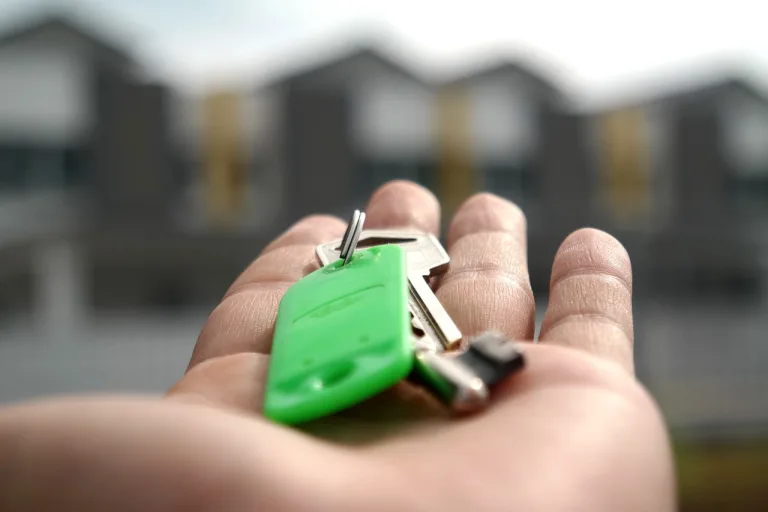
8. Handover and keys: prepare a protocol documenting the property condition.
Legal checks and common red flags
— Verify the seller’s identity and right to sell (estate documents, inheritance, mortgage liens).
— Confirm no ongoing disputes, court cases, or communal debts linked to the property.
— For apartments in older buildings, check for municipal redevelopment plans or structural concerns.
— Avoid cash-only deals that bypass proper registration.
Renovation and management considerations
— Permits: certain structural changes require municipal approval.
— Building management: inspect HOA (TSZh or ZhK) finances, management quality, and utility debts.
— Rental management: for investors, consider professional property managers to handle tenants, maintenance, and compliance.
For foreign buyers
— Non-residents can buy property in Russia, but some restrictions apply (land near borders, agricultural land).
— Documentation: passports, translated certified IDs, and potentially additional proofs depending on the seller or lender.
— Currency and repatriation: plan for currency exchange and rules affecting transfers abroad.
Negotiation tips
— Use market comparables (recent sales in the block) to justify offers.
— Be ready to walk away—there is often another buyer for desirable Moscow properties.
— Timing matters: buying during slower market phases can yield better prices.
Exit strategies
— Rental: short-term leasing (Airbnb-style) may be restricted in some buildings—check rules.
— Sale: properties near transport or in well-managed buildings usually resell faster.
— Long-term hold: consider neighborhood development plans and Moscow’s broader urban policies.
Practical checklist for viewings
— Confirm legal documents and seller identity in advance.
— Check property meter readings and recent utility bills.
— Look for signs of structural issues, damp, or poor maintenance.
— Ask about building repairs planned in the near future and associated fees.
Final recommendations
— Work with reputable local real estate agents, lawyers, and notaries.
— Always perform thorough due diligence—legal issues are the most common cause of post-purchase problems.
— Balance emotion and analysis: in Moscow’s market, location and transport access often outweigh cosmetic features.
— Get independent valuations for high-value transactions.
If you’d like, I can:
— Recommend strong Moscow districts for your budget and goals;
— Provide a printable viewing checklist tailored to apartments or houses;
— Outline questions to ask sellers or developers during negotiations.